
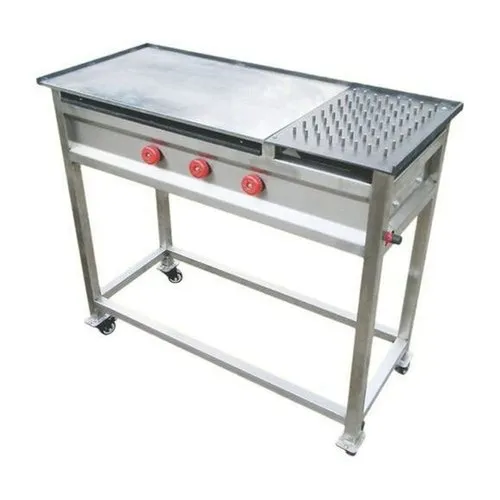
Cloud kitchens run on a different logic than dine-in restaurants. There’s no dining room, no waitstaff, and often multiple brands operating out of the same space — which means every square foot of equipment has to earn its place. Here’s the equipment checklist we walk cloud kitchen operators through before opening day.
1. Core Cooking Line
- Commercial range or induction cooktops — sized to your highest-volume dish, not your full menu
- Tandoor or convection oven — depending on cuisine focus
- Chapati puffer / roti maker — for high-turnover Indian menus
- Deep fryers — if fried items are a meaningful share of orders
Cloud kitchens typically run a narrower menu than dine-in restaurants, so it’s worth resisting the urge to buy “just in case” equipment. Every extra appliance is extra square footage, extra maintenance, and extra capital tied up.
2. Storage and Refrigeration
- Commercial deep freezers for bulk/frozen inventory
- Under-counter or reach-in refrigerators near the prep line, not just in a back storage room
- Dry storage shelving rated for commercial use
Because cloud kitchens often run lean staff, minimising walking distance between storage and the cook line meaningfully speeds up order fulfilment during rush hours.
3. Prep Stations
- Stainless steel prep tables and sinks sized to your actual kitchen footprint
- Dedicated cutting/portioning stations if you run multiple brands from one kitchen
4. Packing and Delivery-Ready Zone
This is the station most first-time cloud kitchen operators underinvest in — and it’s often the difference between a five-star and a one-star delivery review. A dedicated packing counter, insulated hot-holding for orders waiting on riders, and clear staging space for multiple simultaneous orders all matter more than they look on paper.
5. Ventilation and Safety
Commercial kitchen hoods and exhaust systems are non-negotiable, especially in shared or multi-brand kitchen spaces where fire safety compliance is checked more strictly. Don’t treat this as an afterthought — it’s usually a licensing requirement, not just a comfort feature.
6. Smallwares That Add Up
Trays, bins, thermometers, portioning tools, and label printers rarely make it onto a first equipment list, but they directly affect consistency and speed. Budget for these alongside the big-ticket items, not after.
Budgeting Tip: Rent vs. Buy
If you’re testing a new cuisine or city before committing long-term, ask your supplier about flexible or phased equipment plans rather than buying everything outright on day one. A good supplier will help you sequence purchases around your actual order volume as it grows.
Get a Tailored Equipment List
Every cloud kitchen’s ideal equipment list depends on cuisine, order volume, and space. SidakTechnology has fitted out cloud kitchens across Delhi with the full range — from cooking lines to packing stations — plus installation and ongoing maintenance support.
See our full range on the Services page, or talk to our team about your specific setup.