
Petrol prices touch virtually every part of daily life — commuting costs, goods transport, and inflation — so when pump rates climb consumers notice quickly. Understanding why petrol becomes expensive in India requires unpacking global, national, and local factors that stack together to form the price you pay per litre.
How petrol pricing works in India
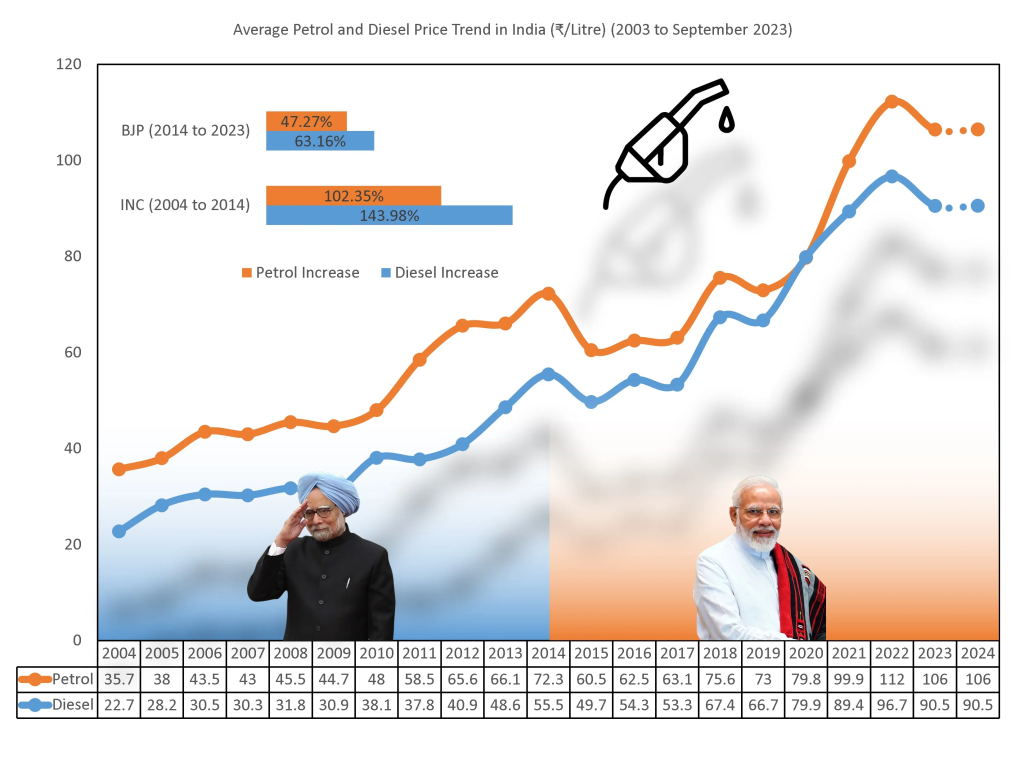
Retail pump price is the sum of a few clear components: the international cost of crude (converted to domestic currency), the cost of refining and transporting fuel, and taxes and levies charged by the central and state governments. Oil marketing companies also add margins to cover distribution and retail costs. Each component moves independently, so small changes in several areas can push the final price significantly higher.
International drivers: crude oil and geopolitics
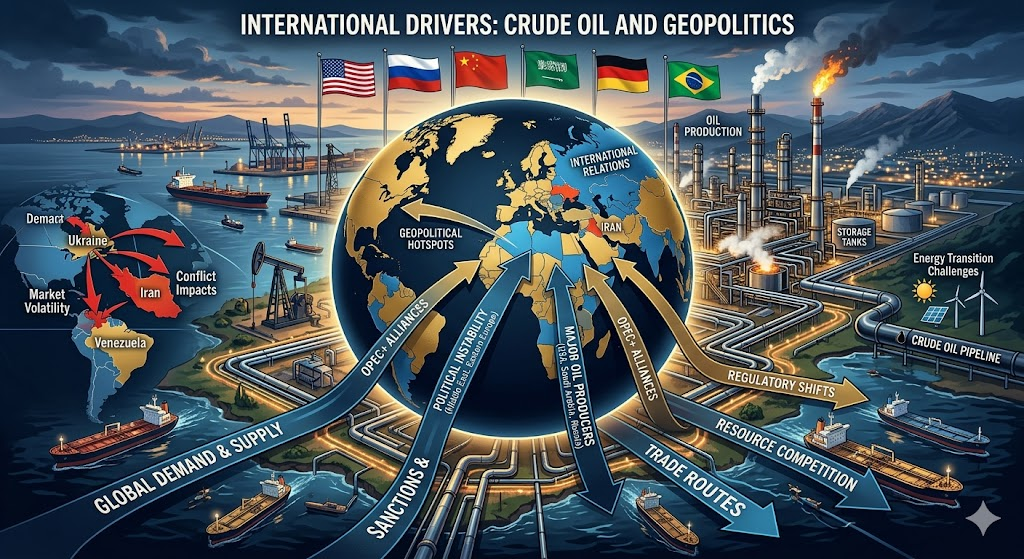
Crude oil is the single largest upstream input for petrol; India imports the vast majority of its crude requirements. Global events — conflicts in oil-producing regions, OPEC+ production decisions, or disruptions to shipping routes — can lift crude prices quickly. Even if crude eases later, oil companies that bought oil earlier at higher prices may still be processing inventory bought at those elevated rates, which keeps domestic fuel prices sticky.
Fiscal and policy drivers: central excise, state VAT, and cess
A large portion of the pump price in India comes from taxes. The central government levies a fixed excise duty per litre, while state governments add VAT (Value Added Tax) or sales tax that varies by state and is often a percentage of the base price.The government adds cesses and surcharges to support specific programs. As VAT is an ad valorem (percentage-based) tax, higher base prices automatically increase tax revenue, creating a compounding effect that raises petrol prices at the pump.
Currency and import dependence
The rupee–dollar exchange rate matters because crude is priced in dollars. A weakening rupee makes each barrel more expensive when converted to INR, regardless of dollar-denominated price movements. Given India imports a high share of its crude, currency swings are a persistent lever affecting domestic petrol prices.
Supply-side and industry factors
Refining margins, inventory costs, and under-recoveries can influence pricing decisions. Refineries and marketing companies face periods of weak margins or losses if the spread between crude costs and product prices narrows. Additionally, when companies have inventory bought at higher costs, they may be reluctant to reduce retail prices immediately even if international crude softens. Logistics, port handling, and inland freight costs also add to the landed price of finished fuel.
Regional variation and distribution costs
Pump prices vary across Indian states because of differing state-level VAT rates, transportation distances from refineries or ports, and localized surcharges. Urban centres close to refineries or ports typically pay less than landlocked or remote areas because inland freight and handling add to the final cost. States sometimes adjust VAT for fiscal reasons, which can cause conspicuous price differences between neighbouring states.
Why small changes feel big
Because taxes are a significant share of the retail price, even modest hikes in base cost or exchange rate cause a multiplied effect at the pump. For example, a small rise in international crude increases the tax base for VAT, pushing the consumer price more than the crude increase alone. Additionally, media reporting of headline increases focuses consumer attention, amplifying the perception of rapid price escalation.
Short-term outlook for consumers
Unless there’s a sustained decline in global crude prices, a stronger rupee, or policy changes on taxation, petrol prices tend to remain elevated. Geopolitical uncertainty or renewed supply constraints can push prices higher again. Conversely, coordinated production increases by major producers, easing geopolitical tensions, or government tax relief could lower prices — but such interventions are typically episodic.
Practical tips to reduce fuel spending
- Drive efficiently: avoid aggressive acceleration, reduce idling, and maintain steady speeds.
- Maintain your vehicle: correct tyre pressure and timely servicing improve fuel economy.
- Combine trips and carpool when possible to reduce total kilometres.
- Use public transport or two-wheelers for short commutes where practical.
- Consider switching to fuel-efficient or alternate-fuel vehicles (CNG, hybrid) if it fits your budget.
illustration
Think of petrol pricing as a layered cake: crude oil and refining costs form the bottom layer, transportation costs and company margins make up the middle, and taxes create the top—often the thickest—layer. Cutting each layer lowers the price, but reducing the top tax layer has the biggest impact on what consumers pay.